How Underground Mole Tunnels Damage Lawns and Irrigation Systems
People seeking yard mole removal aim to stop tunnels that damage lawns and irrigation systems, with local service providers able to effectively handle the problem.
Homeowners in the area often find themselves facing unexpected issues in their lawns and irrigation systems caused by underground mole tunnels. These small creatures can create extensive networks beneath the surface, leading to uneven soil, damaged sprinkler lines, and compromised lawn health. Understanding how underground mole tunnels damage lawns and irrigation systems is essential for property owners looking to maintain a lush, functional landscape. Exploring this topic can help identify early signs of mole activity and prevent costly repairs, making it a practical concern for those dedicated to protecting their outdoor spaces.
Fortunately, local service providers specializing in yard mole removal are well-equipped to address these underground challenges. They can assess the extent of mole activity, recommend effective removal strategies, and help restore the integrity of your lawn and irrigation setup. By working with experienced contractors, property owners can ensure that mole tunnels are managed properly, reducing the risk of ongoing damage. Keep reading to learn more about how underground mole tunnels impact your yard and how local experts can assist in safeguarding your outdoor environment.
- Underground mole tunnels - property owners noticing uneven lawns or damaged irrigation lines can rely on local contractors to identify and remove moles, preventing further underground damage.
- Damage to irrigation systems - when underground mole tunnels disrupt sprinkler lines or valves, local pros can assess and repair the damage to restore proper irrigation function.
- Compromised lawn integrity - visible surface mounds or soft spots caused by mole activity often prompt homeowners to seek expert removal services to protect their turf.
- Persistent mole activity - ongoing tunneling that undermines landscaping features or causes soil instability can be addressed by experienced service providers.
- Signs of underground damage - issues like sudden drainage problems or sinking areas in the yard often lead property owners to contact local contractors for mole removal solutions.
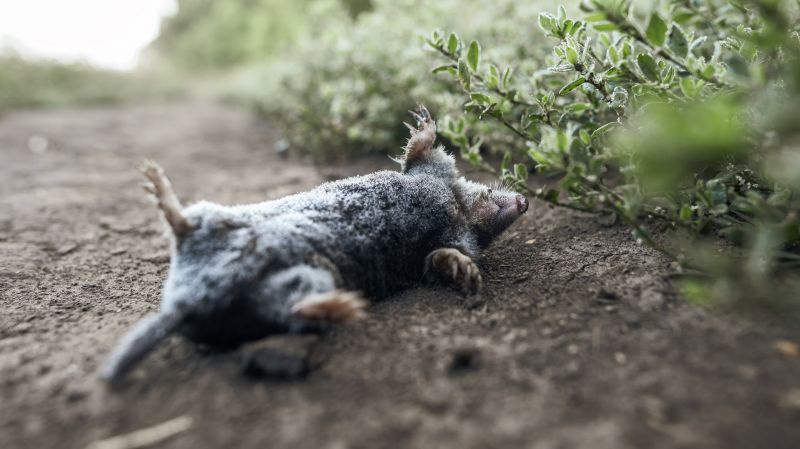
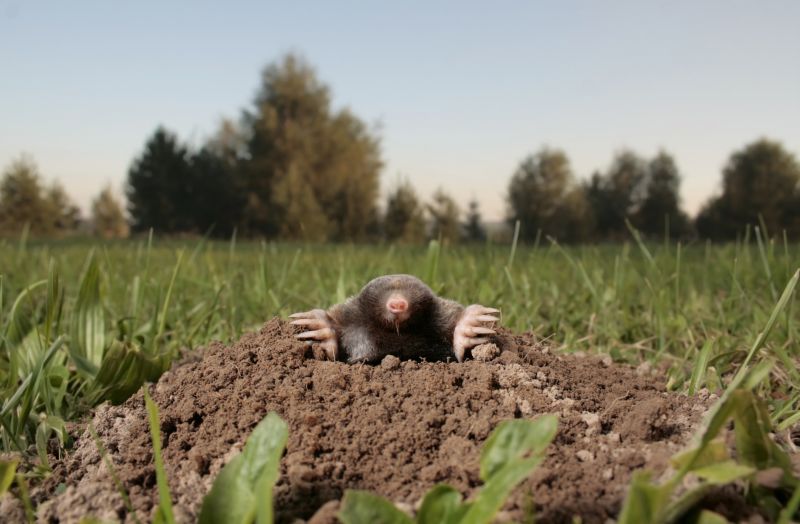
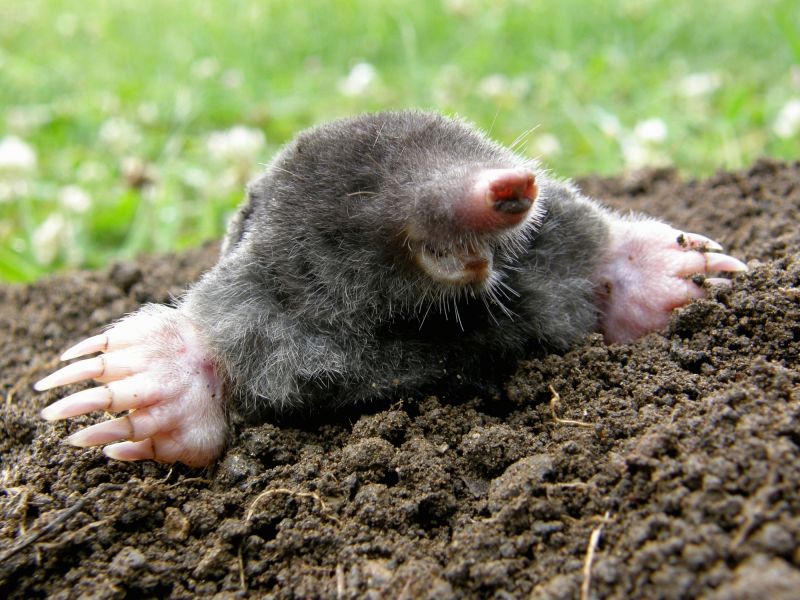
When homeowners search for information about how underground mole tunnels damage lawns and irrigation systems, they are often trying to understand why their yard is developing uneven patches, sinking spots, or areas with poor drainage. Moles create extensive tunnel networks beneath the surface, which can disturb the soil structure and compromise the integrity of the lawn’s root systems. Many people notice the signs of mole activity-such as raised ridges or small mounds-and want to know how these tunnels might be affecting their overall yard health. This concern frequently leads to questions about whether mole activity is contributing to issues with underground irrigation lines, sprinkler heads, or drainage pipes, which can result in costly repairs if left unaddressed.
The problems associated with underground mole tunnels often relate to the disruption of the lawn’s surface and subsurface infrastructure. As moles tunnel through the soil, they can cause the ground to become uneven or develop ridges that interfere with mowing and landscaping efforts. When tunnels intersect with irrigation systems, they can create weak points or cause pipes to shift or break, leading to leaks or water pressure issues. Property owners planning to install new landscaping or repair existing irrigation systems may also be concerned about how mole activity could complicate their projects. These issues highlight the importance of managing mole populations to prevent further damage and maintain a healthy, functional yard.
Properties most commonly affected by underground mole tunnels tend to be residential lawns with well-maintained landscaping, especially those featuring soft, loamy soils that are easy for moles to tunnel through. Lawns with a lot of existing underground irrigation or drainage systems are particularly vulnerable because tunnels can compromise these installations. Large yards with extensive garden beds or vegetable patches also tend to attract moles, as they often search for earthworms and grubs found in rich soils. Homeowners in suburban or semi-rural areas where soil conditions favor mole activity are more likely to encounter these problems. Understanding the type of property and its landscape features can help determine the best approach to mole control and damage prevention.
Local service providers specializing in yard mole removal and lawn care play a crucial role in addressing the damage caused by underground mole tunnels. They can assess the extent of tunnel activity and recommend effective methods to eliminate moles and prevent future tunneling. These professionals often combine trapping, habitat modification, and exclusion techniques to restore the lawn’s surface and protect underground irrigation systems. Property owners who notice signs of mole activity or suspect damage to their irrigation infrastructure should consider consulting with local contractors experienced in mole control and lawn repair. Connecting with these specialists can help restore the health and appearance of the yard while safeguarding irrigation and drainage systems from ongoing damage.
Gopher and Groundhog Control - These pest control projects require knowledge of underground tunnels and how they impact lawns and irrigation systems, similar to mole tunnel issues.
Drainage System Installation - Proper planning and excavation skills are essential for installing drainage, which can be complicated by existing mole tunnels and damaged irrigation lines.
Landscape Irrigation Repair - Repairing or replacing irrigation systems often involves addressing underground damage caused by mole tunnels and burrowing pests.
Soil Aeration and Tilling - These landscaping tasks involve working below the surface, requiring awareness of subterranean tunnels that can interfere with equipment and lawn health.
Underground Utility Locating - Detecting underground cables and pipes helps prevent damage during excavation, a skill that aligns with identifying mole tunnel pathways.
Lawn Restoration and Seeding - Restoring damaged areas involves repairing turf disrupted by mole activity and underground tunnels, similar to fixing irrigation damage.
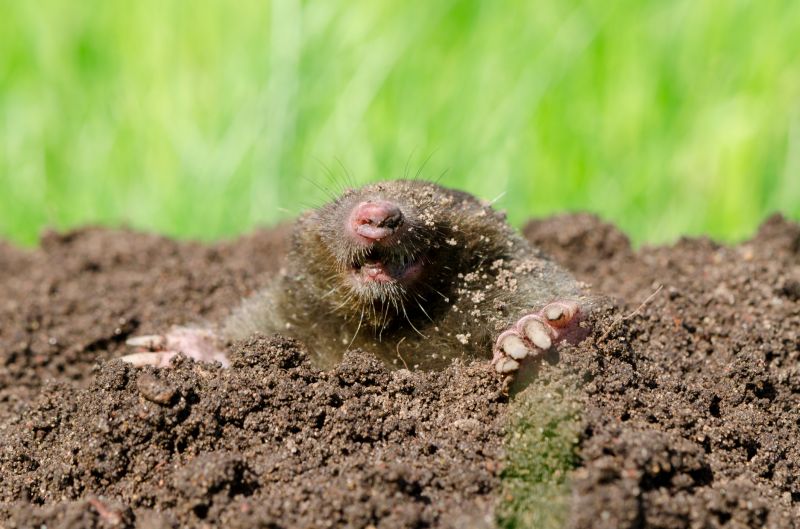
When evaluating service providers for yard mole removal, it is important to consider their experience with similar projects, particularly those involving underground mole tunnels and their impact on lawns and irrigation systems. Homeowners should inquire about how long a contractor has been handling mole-related issues and whether they have a proven track record of effectively addressing the specific challenges posed by mole tunnels. An experienced contractor will understand the behaviors of moles in residential settings and be familiar with the best methods to identify and eliminate active tunnels without causing unnecessary damage to the lawn or existing irrigation infrastructure.
Clear written expectations are essential when comparing local contractors for mole removal services. Homeowners should seek detailed descriptions of the scope of work, including how the mole tunnels will be located, how the removal process will be conducted, and what measures will be taken to prevent future tunnels. Having these expectations documented helps ensure that both parties are aligned on the process and outcomes, reducing the chances of misunderstandings or unmet needs. It also provides a basis for evaluating whether the contractor’s approach is suitable for addressing damage to lawns and irrigation systems caused by underground mole activity.
Reputable references and strong communication are key factors to consider when choosing a service provider. Homeowners can ask for references from past clients who had similar issues with mole tunnels and lawn or irrigation damage. Speaking with previous customers can provide insights into the contractor’s reliability, quality of work, and how effectively they communicated throughout the project. Good communication includes timely responses to questions, clarity about procedures, and transparency regarding potential disruptions or limitations. These qualities help ensure that the mole removal process is handled professionally and that homeowners are kept informed at every stage, ultimately leading to a more satisfactory experience.
Property owners often search for how underground mole tunnels damage lawns and irrigation systems when they are planning practical projects around their homes and businesses. Local pros provide Yard Mole Removal services for everyday jobs and straightforward project options.
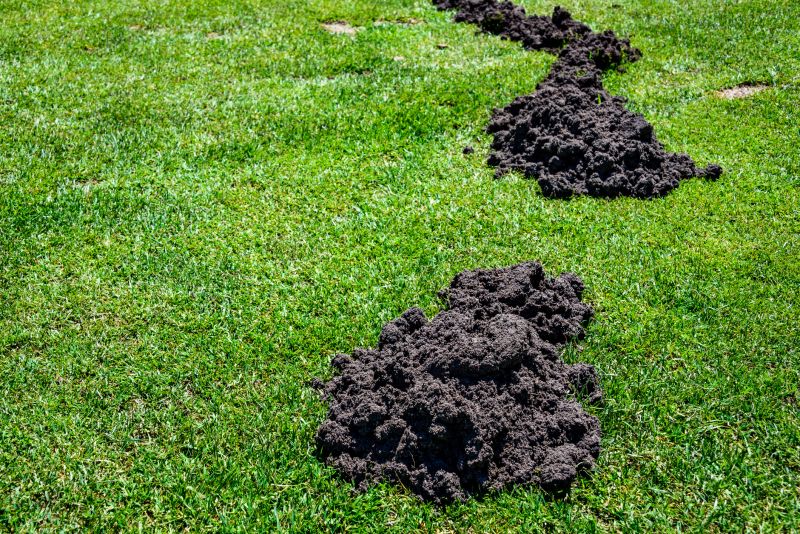
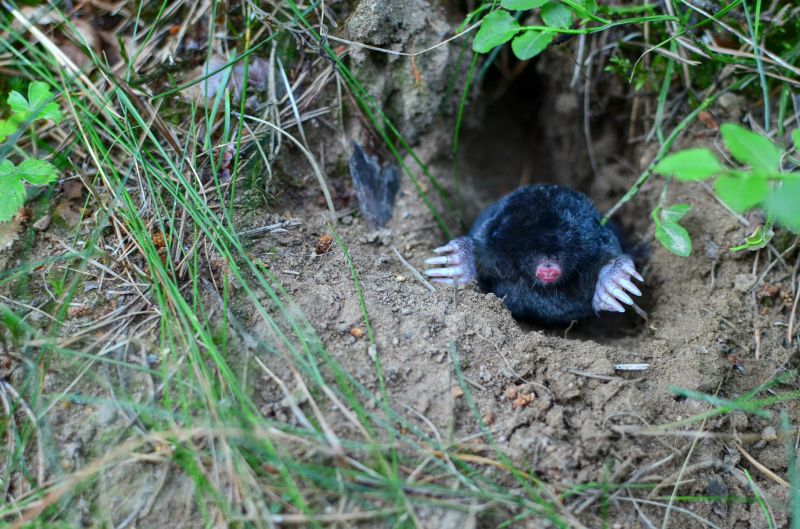
Underground mole tunnels can cause significant issues for property owners by disrupting the integrity of lawns and irrigation systems. As moles create extensive networks beneath the surface, their tunnels can lead to uneven ground, unsightly mounds, and compromised turf health. These tunnels may also interfere with sprinkler lines and irrigation pipes, resulting in leaks, blockages, or uneven watering. Homeowners often notice these problems when their lawn begins to develop patches of uneven growth or when irrigation systems start malfunctioning, prompting a search for professional mole removal services to address the root cause.
Property owners in the area might consider reaching out to local contractors who specialize in mole removal to prevent further damage. These service providers can evaluate the extent of underground tunnel systems and recommend effective removal methods to protect lawns and irrigation infrastructure. Proper removal of moles and their tunnels helps maintain a healthy, even lawn and ensures irrigation systems operate smoothly, avoiding costly repairs or ongoing issues caused by underground activity. Connecting with experienced local pros can provide practical solutions tailored to the specific needs of the property.
How do underground mole tunnels damage lawns? Underground mole tunnels can cause uneven ground, leading to unsightly mounds and ruts that disrupt the appearance and health of a lawn. Local contractors can identify and safely remove these tunnels to restore lawn integrity.
Can mole tunnels affect irrigation systems? Yes, mole tunnels can interfere with underground irrigation lines by causing shifts or breaks in pipes, which may lead to leaks or watering issues. Experienced service providers can repair and prevent further damage to irrigation setups.
Why is it important to address mole tunnels promptly? Prompt removal of mole tunnels helps prevent further damage to the lawn and irrigation systems, reducing the risk of costly repairs and maintaining the property's overall appearance. Local pros can efficiently handle these issues.
What methods do local contractors use to remove mole tunnels? Contractors typically use trapping, baiting, or tunneling removal techniques to eliminate moles and their tunnels, minimizing damage to the surrounding lawn and irrigation infrastructure.
How can professional mole removal services protect my lawn and irrigation? Professional services can assess the extent of tunnel damage, safely remove moles, and implement preventative measures to protect lawns and irrigation systems from future underground activity.
Identify underground mole tunnel locations - property owners can work with local contractors to locate tunnels that may be hidden beneath lawns before starting irrigation or landscaping projects.
Assess damage to irrigation systems - professionals can inspect and repair irrigation lines affected by mole tunnels to prevent water leaks and uneven watering.
Implement mole control measures - property owners can consult with local pros to set up mole traps or barriers that reduce tunnel activity and protect lawn integrity.
Restore and reinforce lawn areas - local service providers can help repair and reseed areas disturbed by mole tunneling, ensuring a healthy, even lawn surface.
If you are thinking about how underground mole tunnels damage lawns and irrigation systems for a property, this guide is meant to help you understand this topic, the typical project types, and how different options might fit your plans.
When you are ready, you can use the quote form on this page to share a few details about your project. From there, local pros can review the basics and follow up with options that match what you have in mind.